
To prevent rats from entering a home permanently, identify and seal all entry points, including small gaps around doors, windows, vents, and pipes using steel wool and caulk or metal flashing. Maintain a clean yard by trimming vegetation and removing debris to eliminate shelter and food sources rat repellent. Use heavy-duty, sealed containers for waste and pet food. Regularly inspect for signs of infestation and repair vulnerabilities quickly. Further guidance explores detailed steps to reinforce these measures and maintain a rat-free environment.

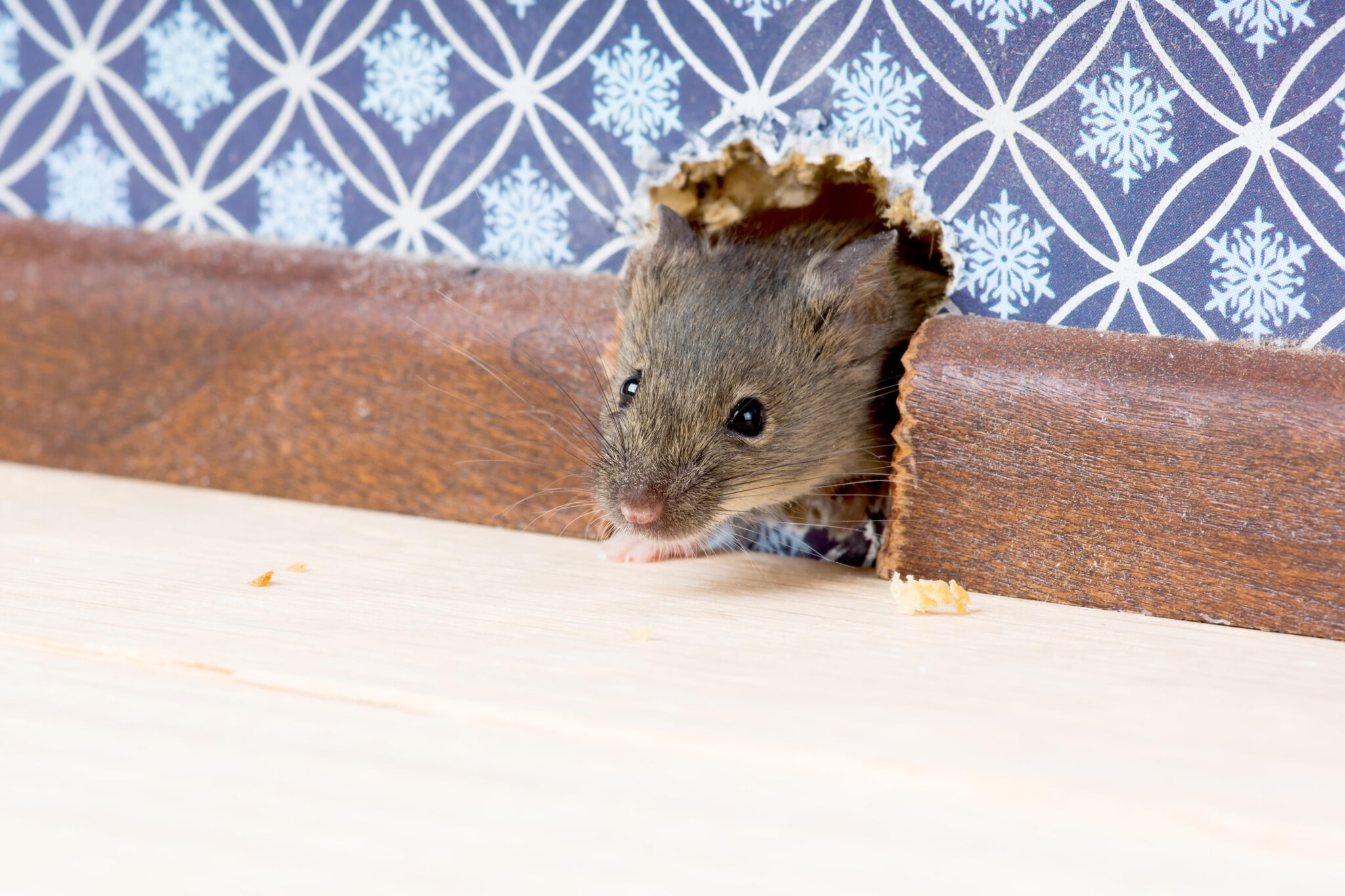
Among the various ways rats infiltrate homes, certain entry points are consistently favored due to their accessibility and concealment. Rats commonly exploit gaps around doors and windows, where weatherstripping may be worn or missing.
Vents and utility openings, often overlooked, provide convenient access. Crawl spaces and basements with poorly sealed foundations are frequent targets, as rats can squeeze through surprisingly small gaps.
Rooflines and attic vents also serve as entryways https://igreenasia.com/, especially if damaged or unprotected. Understanding these typical access points empowers individuals to identify vulnerabilities without feeling confined.
Recognizing where rats prefer to enter offers a strategic advantage in maintaining control over one’s living space. This knowledge supports proactive observation, enabling homeowners to act before infestation occurs and preserve their freedom from unwanted intrusions.
Identifying common entry points is only the first step in preventing rats from invading a home. To guarantee lasting protection, all cracks, gaps, and holes must be sealed effectively. Rats can squeeze through openings as small as a quarter of an inch, so meticulous inspection is essential.
Durable materials such as steel wool combined with caulk, metal flashing, or concrete provide reliable barriers that rats cannot gnaw through. Special attention should be given to areas around pipes, vents, and foundations, where breaches often occur.
Proper sealing not only blocks immediate access but also discourages future attempts, granting homeowners control over their environment. By permanently closing these vulnerabilities, one can confidently maintain a rat-free space and preserve the freedom to live without unwanted intrusions.
Maintaining a clean yard and properly managed garbage areas plays a crucial role in deterring rats from approaching a home.
Overgrown vegetation, clutter, and debris provide shelter and nesting spots, inviting rodents closer. Regularly trimming bushes, mowing grass, and removing piles of wood or leaves reduce these hiding places.
Garbage should be disposed of promptly, avoiding overflow or scattered waste that attracts rats seeking food. Compost piles, if present, must be maintained carefully to prevent becoming a food source.
Eliminating access to food and shelter in outdoor areas diminishes the incentives for rats to linger near a property, ultimately supporting a rat-free environment. This approach respects personal freedom by minimizing reliance on harsh chemicals or traps, focusing instead on proactive environmental management.
To effectively deter rats, properties should utilize storage and waste containers designed to prevent rodent access. Securing belongings and refuse in rat-proof containers eliminates easy food and shelter sources, restricting their freedom to invade.
Key considerations include:
Implementing these measures creates an environment where rats cannot exploit weaknesses, allowing property owners to maintain control and freedom from infestation risks. Proper storage is a critical step in long-term rat prevention strategies.
Securing storage and waste containers reduces initial rat attraction, but ongoing vigilance guarantees lasting protection.
Regular inspections of the property identify early signs of rat activity, such as droppings, gnaw marks, or nesting materials. Promptly addressing these indicators prevents small issues from escalating into infestations that restrict freedom and peace of mind.
Quick actions, including repairing entry points, clearing debris, and maintaining cleanliness, eliminate environments conducive to rats. Consistent monitoring ensures that preventive measures remain effective and adapt to changing conditions.
This disciplined approach empowers homeowners to maintain control over their space, safeguarding their home without reliance on reactive solutions. Ultimately, a proactive routine of inspection and swift intervention is essential to uphold a rat-free environment and preserve personal freedom.
Effectively preventing rats from entering a home requires identifying and sealing common entry points, maintaining cleanliness in yards and garbage areas, and using rat-proof storage solutions. Consistent inspections and prompt responses to any signs of infestation are vital to ensuring long-term protection. By combining these proactive measures, homeowners can greatly reduce the risk of rat infestations and maintain a safe, hygienic living environment.